Articles · Escape helpers
Berlin Wall Escape Helpers: Students, Smugglers and Stasi Spies
Student volunteers in 1961, paid tunnel crews in 1962, transit-route smugglers in the 1970s: how escape help changed over 28 years, what it cost, and what happened to the helpers who were caught.
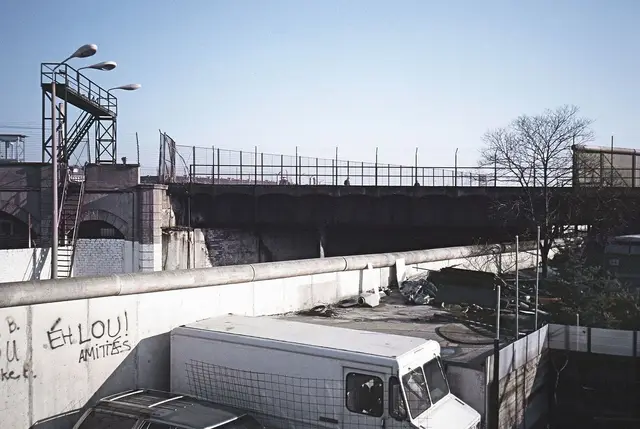
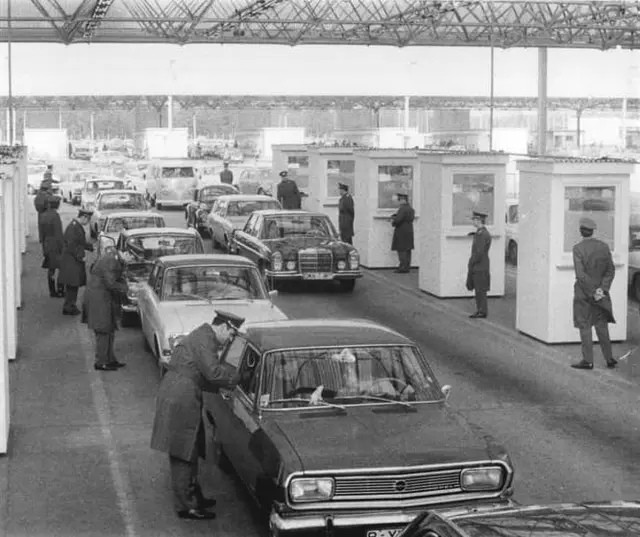
At half past nine on the evening of 16 July 1976, Klaus-Dieter Precht pulled his van onto the verge at kilometre 144.2 of the transit road from Lauenburg to Berlin. A man came out of the bushes and fetched his wife and a child who had been given sleeping pills. With a hex key Precht slid out a metal bracket together with the customs seal, so the load door opened without the seal breaking. The family climbed in among junk stacked there as cover. It took less than five minutes. He had been promised 6,000 marks.18
A few kilometres on, two East German Wartburg cars fell in behind him and escorted him to the Staaken crossing, where the van was waved into a lane of its own and surrounded by soldiers.18 Precht was an escape helper, or Fluchthelfer, at the tail end of a movement that had started fifteen years earlier with students in the sewers. This is the story of that movement: who the helpers were, what they charged, and how the Stasi got inside their groups.
Who the Fluchthelfer were
Escape helpers were people in the West who organised escapes for people in the East. Many were former refugees who wanted to bring out their families, friends and acquaintances. Many others came from West Berlin's universities and helped fellow students whose studies the Wall had cut off. They scouted gaps in the fortifications and routes through the sewers, forged passports and dug tunnels.1 East German courts called what they did "anti-state trafficking in human beings".3
Between the building of the Wall and its fall, at least 5,075 East Germans escaped through the border fortifications in and around Berlin.1 Only some of them had help. Nobody knows exactly how many, but the Chronik der Mauer says escape helpers had brought several thousand people to freedom.1 For the wider count, see how many people escaped the Berlin Wall. On this site, more than fifty documented escapes and attempts involved helpers; the map below shows them all.
1961: students under the city
In the first months the best-known helpers were students at the Free University (FU). Detlef Girrmann, Dieter Thieme and Bodo Köhler led what became known as the Girrmann group, and hundreds of FU students took part in escape help after 13 August 1961.2
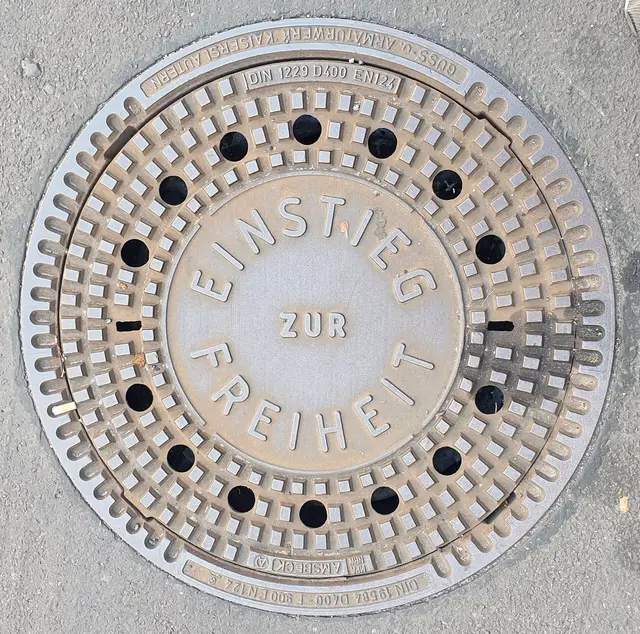
One of their routes ran underground. From 13 September 1961 couriers brought East Berliners at night to a manhole on Neue Grünstraße in Mitte; "lid men" lifted the heavy cover, and the refugees walked through a sewer to Kreuzberg. Helpers called the route "Glockengasse 4711". A plaque puts the number who used it at about 500; the TF-Mapping survey counts about 150. The route was discovered in mid-October. See the Glockengasse sewer route.
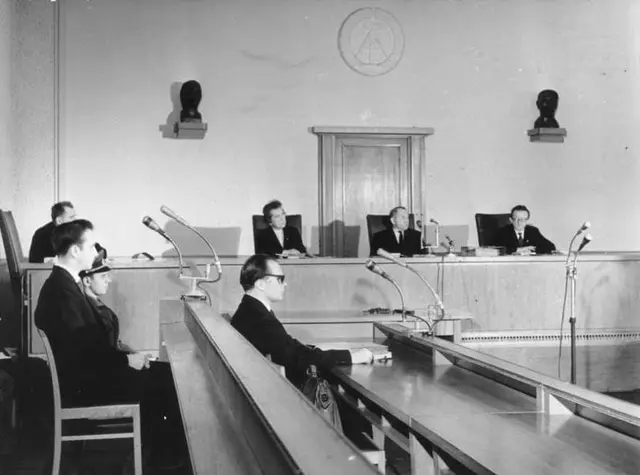
The Stasi fought back early. Carl-August von Halle, an architecture student in a different group that also used the sewers, agreed to help a Potsdam actor who said the Wall had cut him off from his family. The actor was working for the Stasi. Von Halle was arrested at Friedrichstraße station on 6 October 1961 and sentenced on 3 February 1962 to two years and two months for "continued aiding of flight from the Republic".8 (Record.)
Dieter Wohlfahrt, an Austrian chemistry student in the Girrmann group, worked as a lid man. On 9 December 1961, aged 20, he was cutting through the fence at Staaken to help a woman across when guards opened fire. He lay dying for more than an hour without help.9 The GDR's own reports show that the helpers had been lured into an ambush; see the Staaken record and his profile on Victims of the Wall.
Hasso Herschel took a different path into the work. He left East Berlin on a forged Swiss passport on 21 October 1961 and began looking for a way to get his sister out.14 (Record.)
1962: the tunnel year
By 1962 the helpers had gone below ground. Heidelberger Straße, on the border between Neukölln and Treptow, became the street most often tunnelled under in Berlin; over 100 people escaped through tunnels from Treptow to Neukölln.6 See Treptow and Neukölln.
Two names dominate. Harry Seidel, born in 1938, helped at least 75 people escape between March and October 1962; some sources say 114.7 Heinz Jercha, a butcher who had himself fled the GDR, joined a group run by Fritz Wagner. The Chronik der Mauer draws a line between them: Wagner offered his help to East Berliners for money, while Seidel acted from conviction.5
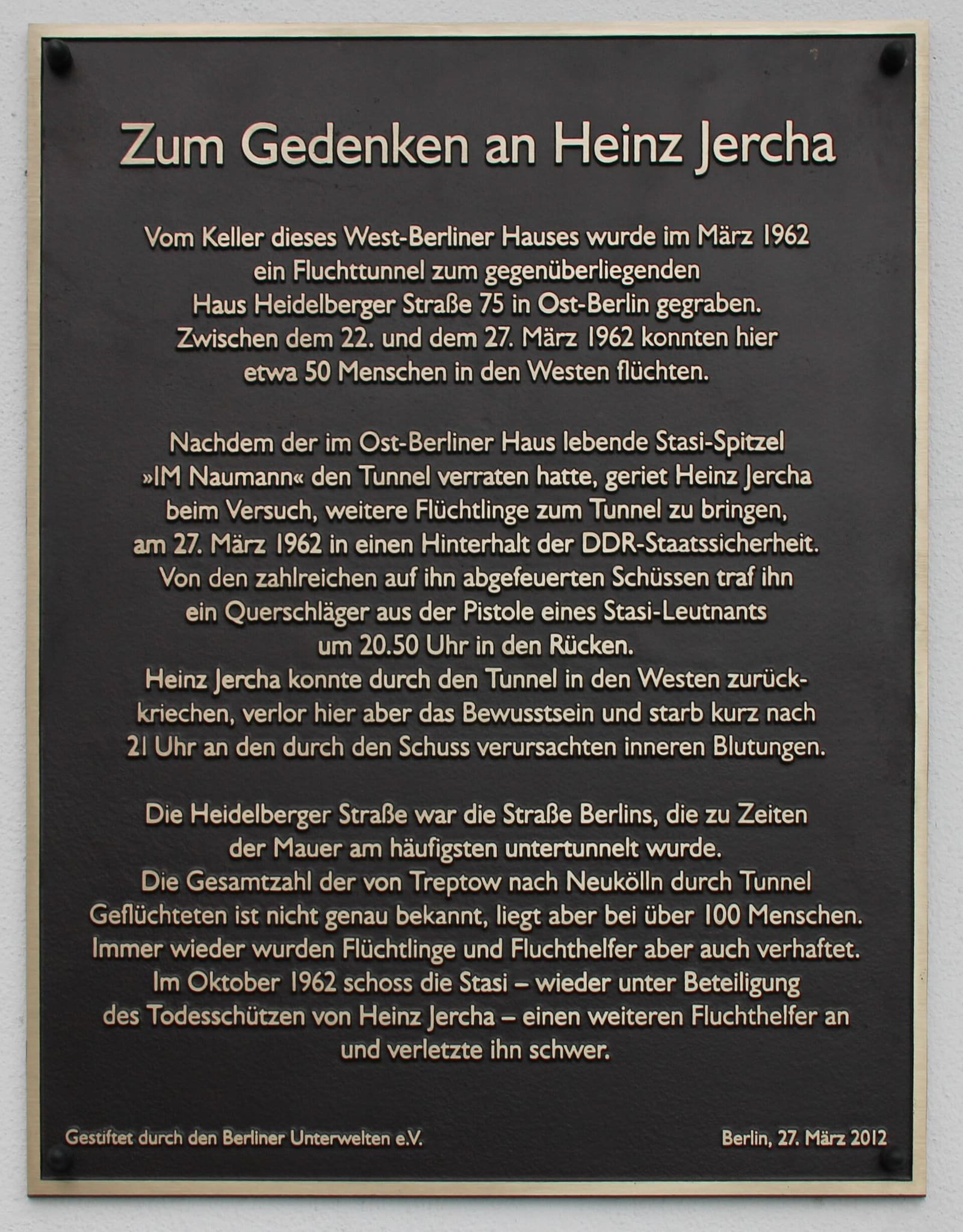
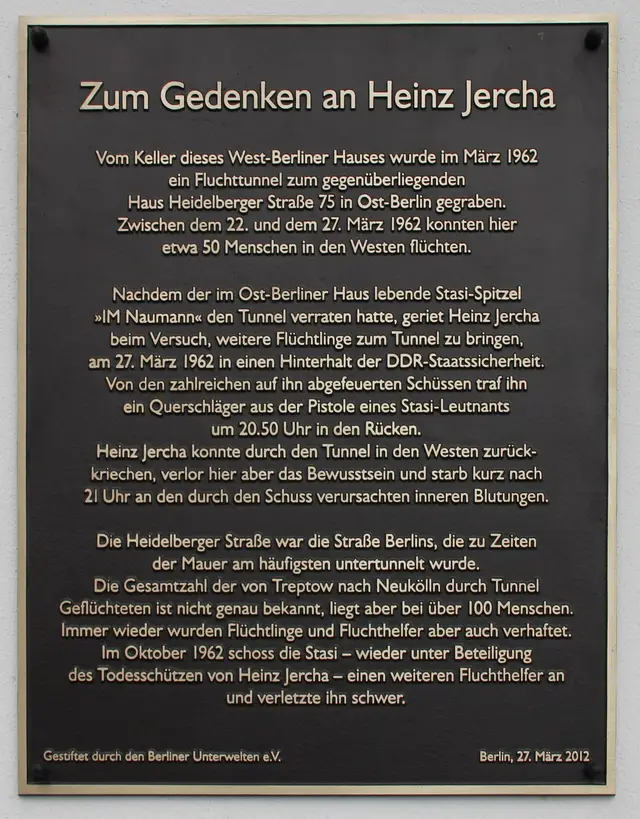
In March 1962 Jercha and Seidel dug from the cellar of Heidelberger Straße 35. About 50 people escaped through the tunnel between 22 and 27 March, according to the plaque unveiled there in 2012.6 An East Berliner who had won Seidel's trust was the Stasi informer "IM Naumann" and betrayed the tunnel. Jercha was shot in a Stasi ambush and died on 27 March 1962, aged 27.5 The sources differ on details: the plaque says he was hit in the back and dates the first escapes to 22 March, the Chronik says the chest and 21 March. See the Jercha tunnel and his profile on Victims of the Wall.
Seidel's group went on. In June 1962 they paid a pub landlord 4,000 DM for the use of his cellar and dug the short Pfingsttunnel to a photo shop across the street; estimates of how many got through over the Whitsun weekend range from about 20 to 55.7 In October a second tunnel from the same cellar brought out a tailor couple in their pyjamas, but an informer had already told the Stasi. Another helper was shot and badly wounded, and Jercha's killer was again involved.6 (Elsenstraße tunnel.)
The best-known tunnel of that year, Tunnel 29, was dug from Bernauer Straße by around 30 helpers, most of them students. Hasso Herschel brought his sister through it in September 1962. Organisers of the dig sold the film rights to NBC to pay for the work, and some diggers distanced themselves from what they saw as turning escape help into a business. The digging itself is told in the article on escape tunnels.
The enemy inside: how the Stasi got into the helper groups
From the start the Stasi planted informers in the helper groups. In 1975 it gave the job its own unit, the Zentrale Koordinierungsgruppe Flucht/Übersiedlung (ZKG),20 whose brief included "tracking down and breaking up escape organisations, including planting informers in these groups".3
The worst case was the tunnel to Kiefholzstraße 388 in Treptow in the summer of 1962. It went wrong like this:
- Three groups joined forces on a tunnel from a former small bunker in West Berlin to a carpenter couple's house on Kiefholzstraße: Seidel and Wagner's group, the Girrmann group and part of the Tunnel 29 team. About 80 people were to be brought by lorry from pick-up points in East Berlin.4
- Siegfried Uhse, who had signed up with the Stasi in September 1961, joined the Girrmann group as a courier in March 1962.4
- By 8 July 1962 he had been fully briefed on the tunnel, sat in on the decisive planning meetings and reported everything to his Stasi handler.4
- On 7 August 1962 Hasso Herschel, Ulrich Pfeifer and Joachim Rudolph broke through into the house. A radio message warned them that the Stasi had reached the property, and they crawled back to the West.4
- At the pick-up points the Stasi was waiting. Lorries were stopped; one driver got away with his passengers, probably partly because Uhse did not know where that lorry was loading.4
- More than 70 people were arrested. That same month three Girrmann-group helpers and two others were given sentences of six to twelve years in a show trial.4
- Uhse's role came out only after German reunification, when those he had betrayed read their Stasi files. By then the statute of limitations had run out. TF-Mapping quotes one of those convicted as saying that Uhse "betrayed over 360 people".4
Arrest figures differ between sources; the Kiefholzstraße record sets them out.
Betrayal ended other operations too. In November 1962 the Stasi was waiting at the far end of a tunnel into Kleinmachnow and seized Harry Seidel as he climbed out; he was sentenced to life.7 (Kleinmachnow tunnel.) In February 1963 Stasi officers lay in wait at the end of a second tunnel from the Tunnel 29 cellars, and would-be escapees and couriers were arrested (record). Tunnels under Bernauer Straße failed the same way as late as 1970.
7 August 1962
The Betrayed Kiefholzstraße Tunnel
Several escape-helper groups joined forces on a tunnel to a small house on Kiefholzstraße for a planned mass escape, but a Stasi informer among the couriers betrayed it and dozens of would-be refugees were arrested.
14 November 1962
The Kleinmachnow Tunnel and the Arrest of Harry Seidel
The betrayal of a 70-metre tunnel into Kleinmachnow ended with the capture of the famous escape helper Harry Seidel, who was sentenced to life imprisonment in a show trial.
February 1963
The betrayed second tunnel from Bernauer Straße 78
Tunnel 29's builders dug again from the same cellars; on breakthrough day Stasi officers lay in wait at Brunnenstraße 45. The diggers noticed in time, but 14 would-be escapees and three couriers were arrested.
Tunnel 57 and the question of guns
Some helpers carried weapons: Jercha and Seidel took pistols to the East Berlin end of their tunnel, and the Elsenstraße team kept watch with submachine guns. Two shootings in which border guards died became part of the helpers' story.
The first came in June 1962 on Zimmerstraße. Rudolf Müller, who had dug a tunnel from the Springer building site to fetch his own family, shot border guard Reinhold Huhn during an identity check on 18 June. West Berlin at first blamed Huhn's comrade. In 1999 a Berlin court convicted Müller of manslaughter, and in 2000 the Federal Court of Justice changed the verdict to murder. The sentence stayed at one year, suspended.12 The Berlin court had already found in 1999 that Huhn had at no time threatened the life or health of Müller's family, and it rejected his claim of self-defence.12 See the Zimmerstraße tunnel.
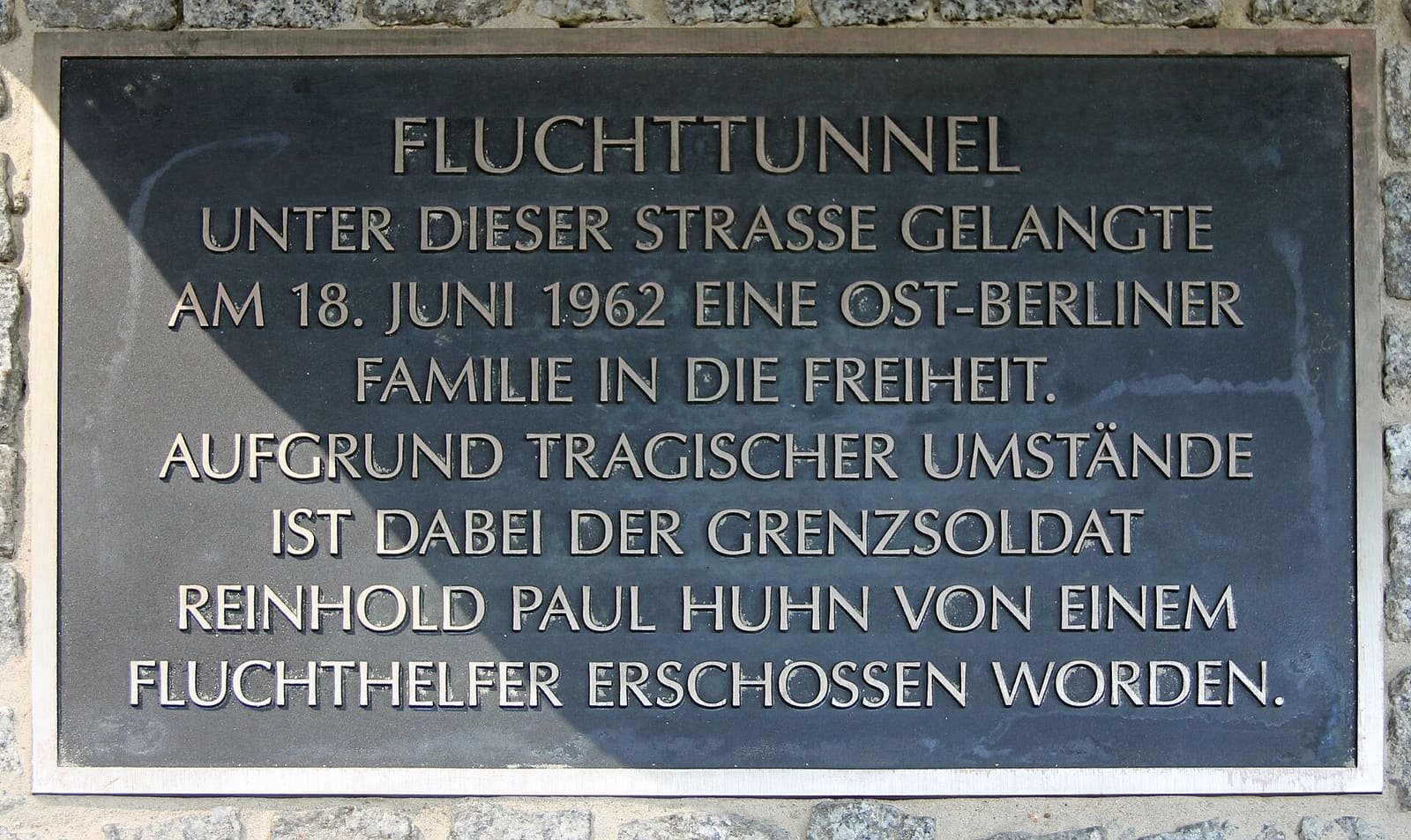
A ground plaque unveiled in front of Zimmerstraße 54 on 18 September 2018 says that an East Berlin family reached freedom under this street, and that "owing to tragic circumstances" border soldier Reinhold Paul Huhn was "shot dead by an escape helper".13 The plaque does not name Müller or mention the trials. Its "tragic circumstances" and the court's finding of murder are two descriptions of the same shot.
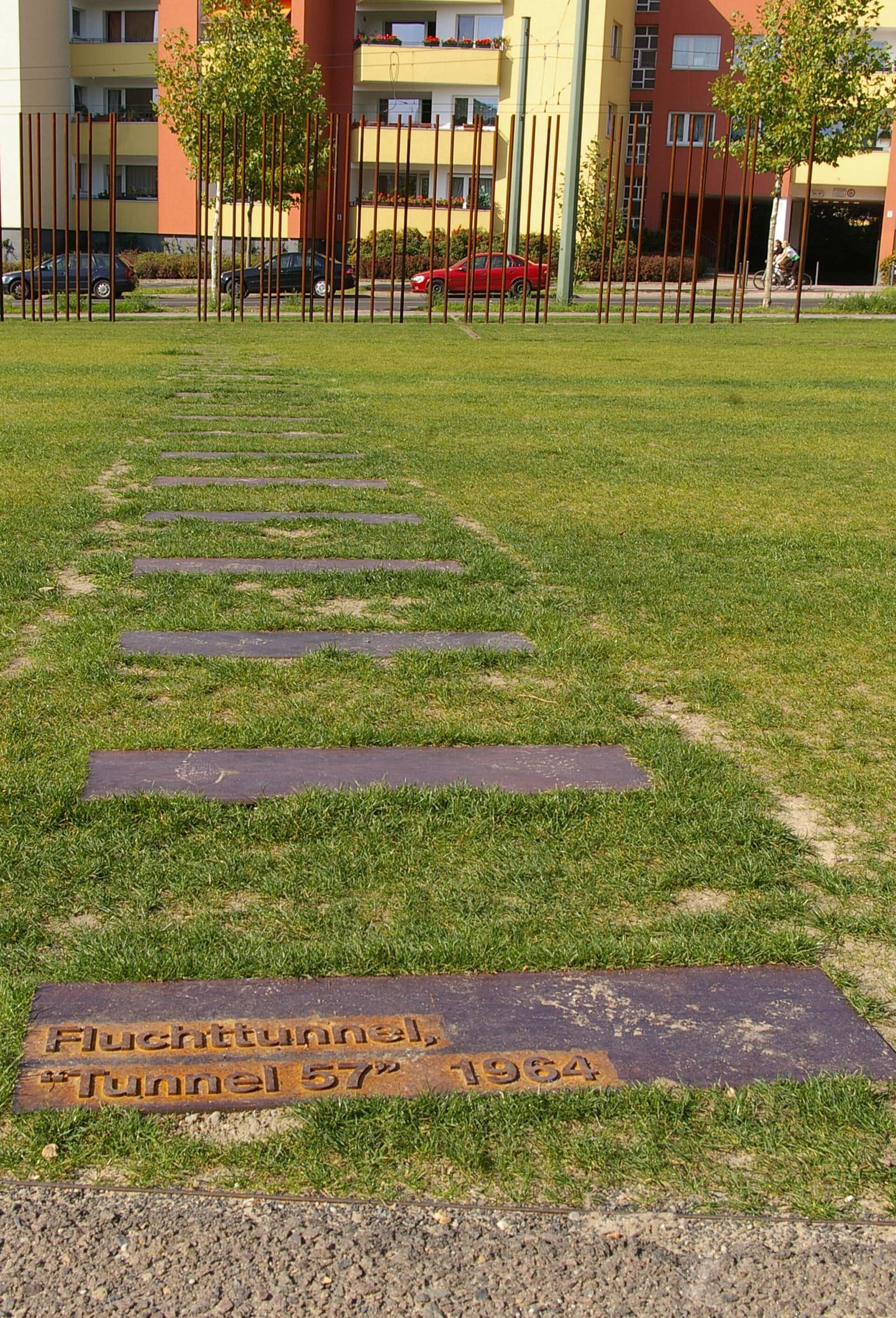
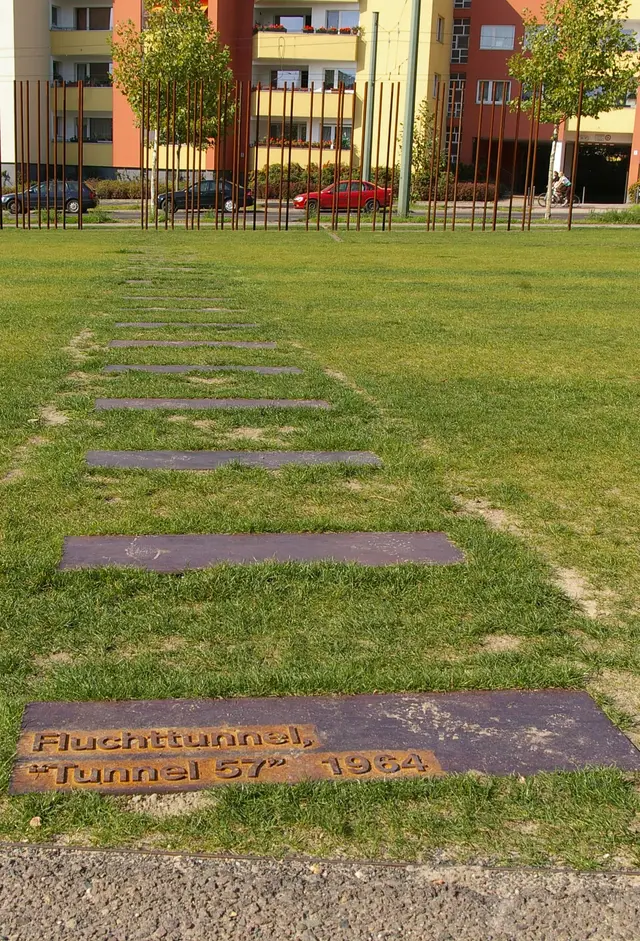
The second shooting came at Tunnel 57. Wolfgang Fuchs led the dig, mainly with FU students: 145 metres long and 12 metres deep, from a disused bakery at Bernauer Straße 97. On 3 and 4 October 1964, 57 people escaped.10 On the second night the Stasi arrived, a helper fired, and border guard Egon Schultz was killed. The fatal shots were fired by a GDR border soldier, not by an escape helper.10 The GDR made Schultz a hero. His story is on Victims of the Wall, and both deaths are covered in border soldiers killed at the Berlin Wall.
Fuchs's group had already dug one tunnel from the same cellar; three women escaped through it in the night of 7 to 8 January 1964.11 The GDR blamed the helpers for Schultz's death.2 The Chronik der Mauer puts the wider shift down to politics: helpers met enthusiastic approval at first, with support from politicians and intelligence services, but once détente began, politicians kept their distance.1
Money: from helping friends to a business
Money was there almost from the start. By 1962/63 people who wanted to escape were often charged between 3,000 and 5,000 D-Mark.1 In 1969 a fiancé in West Berlin paid 5,000 DM up front, with the same again due on success, for his fiancée to be driven towards West Berlin inside a hollow model bull; she was found at Drewitz (the "Trojan cow").
The helpers themselves disagreed about it. Hasso Herschel later ran escapes by car through Hungary to Austria and charged up to $8,000, but he said "it was not about the money at the time". He is credited with helping more than 1,000 people.14 Hartmut Richter, who smuggled people out in his car boot on the transit routes, stopped taking commissions because the man giving him jobs charged fees he found "disproportionately high". He went on helping friends instead.15
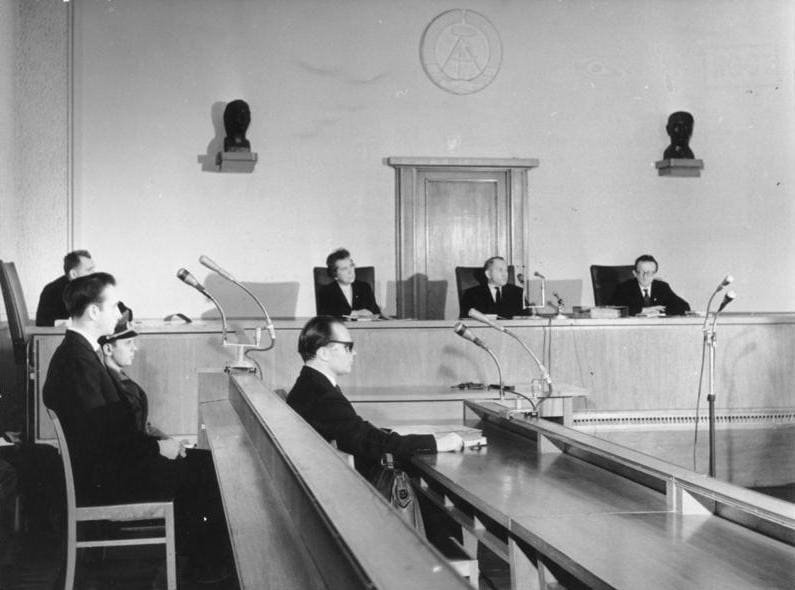
The question reached West Germany's Federal Court of Justice. On 29 September 1977 (III ZR 164/75) it ruled on a contract to pay for getting someone out of the GDR. Such a contract, it held, broke no statutory ban and was not in itself contrary to public morals; the constitutional right of freedom of movement included the right to enter the Federal Republic.16 The court rejected the argument that it was reprehensible to profit from the plight of GDR residents. A contract could still be immoral if the plan put people's freedom, health or life at high risk, endangered minors or created concrete dangers for third parties.17
Not everyone accepted that. In 1978 Der Spiegel wrote that the court had given "the big earners from German-German misery" a free hand, and that commercial escape help was usually not comparable to the idealism of the Cold War years. The same article quoted the CDU politician Manfred Abelein, who called commercial escape help a "contribution to realising a human right".18 Burkhart Veigel, a Girrmann veteran who helped about 650 people escape between 1961 and 1970 (a higher figure also circulates; see the Cadillac record), stopped in 1970; in an interview he describes the Stasi's attempts to kidnap him in Berlin and Vienna, and why he gave up.219 His Cadillac with a hiding place behind the dashboard carried refugees from 1964 to 1967.
The transit years and Kay-Uwe Mierendorff
From 1972 the transit agreement between the two German states gave escape help a temporary revival.1 Western cars now drove through the GDR to West Berlin in large numbers, and helpers hid people in boots, under seats and in sealed lorries. On this site almost every helper case from the 1970s is a hidden vehicle, and the chart shows the change from tunnels.
| Method | 1961–62 | 1963–69 | 1970–79 | 1980–89 |
|---|---|---|---|---|
| Hidden in vehicles | – | 10 | 12 | 1 |
| Tunnels | 9 | 5 | 2 | – |
| False papers and disguises | 3 | 3 | 2 | – |
| Over the wall | 3 | 1 | – | 1 |
| Ziplines and cables | – | 1 | – | 1 |
| Swimming | 1 | – | – | – |
| By train | – | 1 | – | – |
| Aircraft and balloons | – | – | – | 1 |
Much of what this site knows about the commercial trade in Berlin comes from a single Der Spiegel article of February 1978 (issue 9/1978). It rests largely on Klaus-Dieter Precht, the driver from the opening of this article, whom the magazine itself calls a minor figure and "a cheated man without a fee", and on a second former driver. What follows is Spiegel's account.18
According to Spiegel, the GDR arrested 423 people for taking part in escape help between 1972 and 1976, by West German reckoning. Most refugees on the transit routes were brought out by commercial firms charging 10,000 to 45,000 marks per person. The magazine described Kay-Uwe Mierendorff, a former West Berlin car dealer, as regarded as "the secret king of the commercial escape business". It reported that he tried to have himself entered in the Berlin commercial register as a "commercial escape helper", and that his driver Michael Gregorovitz brought out about a hundred people, mostly in sealed lorries, before he was caught and sentenced to 15 years.18
Spiegel wrote that when Mierendorff tried to obtain Allied passes and recruit US soldiers, the Western commandants revived Law No. 8 of the Allied Kommandatura of 1950 and expelled him from Berlin. Precht and the other driver estimated that about a hundred of his drivers were in GDR prisons, and in January 1978 GDR courts sentenced four "Mierendorff agents" to between five and over seven years.18 Mierendorff declined to comment to Spiegel. At the time of writing, prosecutors in Itzehoe had found little despite a house search, and Precht was ready to testify on oath.18 This site has not found how the inquiry ended. The Precht record covers his case.
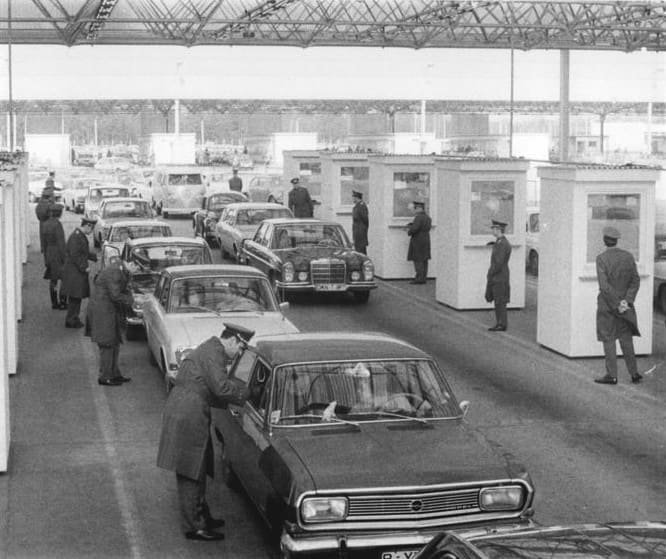
Other routes used people the GDR could not easily search. US Mission telegrams record American soldiers driving East Germans through Checkpoint Charlie: four people hidden in a VW bus in 1973, a soldier held by the Soviets for a week in 1974, and in 1975 two sergeants whose passengers' families said they had paid 42,000 and 34,000 Deutschmarks through intermediaries. Stasi reports describe a Zaire embassy attaché using his diplomatic car and a firm that hired West Berliners to lend their papers to look-alikes.
Caught: § 105, prison and the buy-out
The GDR's legal language hardened over the years. Von Halle was sentenced in 1962 for "continued aiding of flight from the Republic".8 Later, escape help was prosecuted under § 105 of the GDR criminal code as "anti-state trafficking in human beings".3 The Chronik der Mauer lists the regime's other answers: ever tighter surveillance of the transit routes, informers, and murder attempts on escape helpers.1
The sentences were long:
- Harry Seidel: life, December 1962.7
- Three Girrmann-group helpers and two others tried over the Kiefholzstraße tunnel: six to twelve years, 1962.4
- Hartmut Richter: arrested at Drewitz on 4 March 1975 with his sister and her fiancé in his car boot, sentenced on 12 December 1975 to the 15-year maximum.15
- Klaus-Dieter Precht: three and a half years, 1976.18
- Four "Mierendorff agents": five to over seven years, January 1978.18
The people waiting in the East were arrested too, as at Kiefholzstraße and in the betrayed tunnels.
For many prisoners, the only hope was that the Federal government would buy them free.1 Seidel was bought free in 1966.7 Richter was bought free on 2 October 1980, after more than five and a half years in prison.15 Precht was released to the West on 20 January 1978 with about 50 other prisoners; Spiegel put the cost of that buy-out at about 1.5 million marks.18 (Richter record.)
Where to see their traces today
The helpers left marks across the city. Most of these are on the walking tour of escape sites:
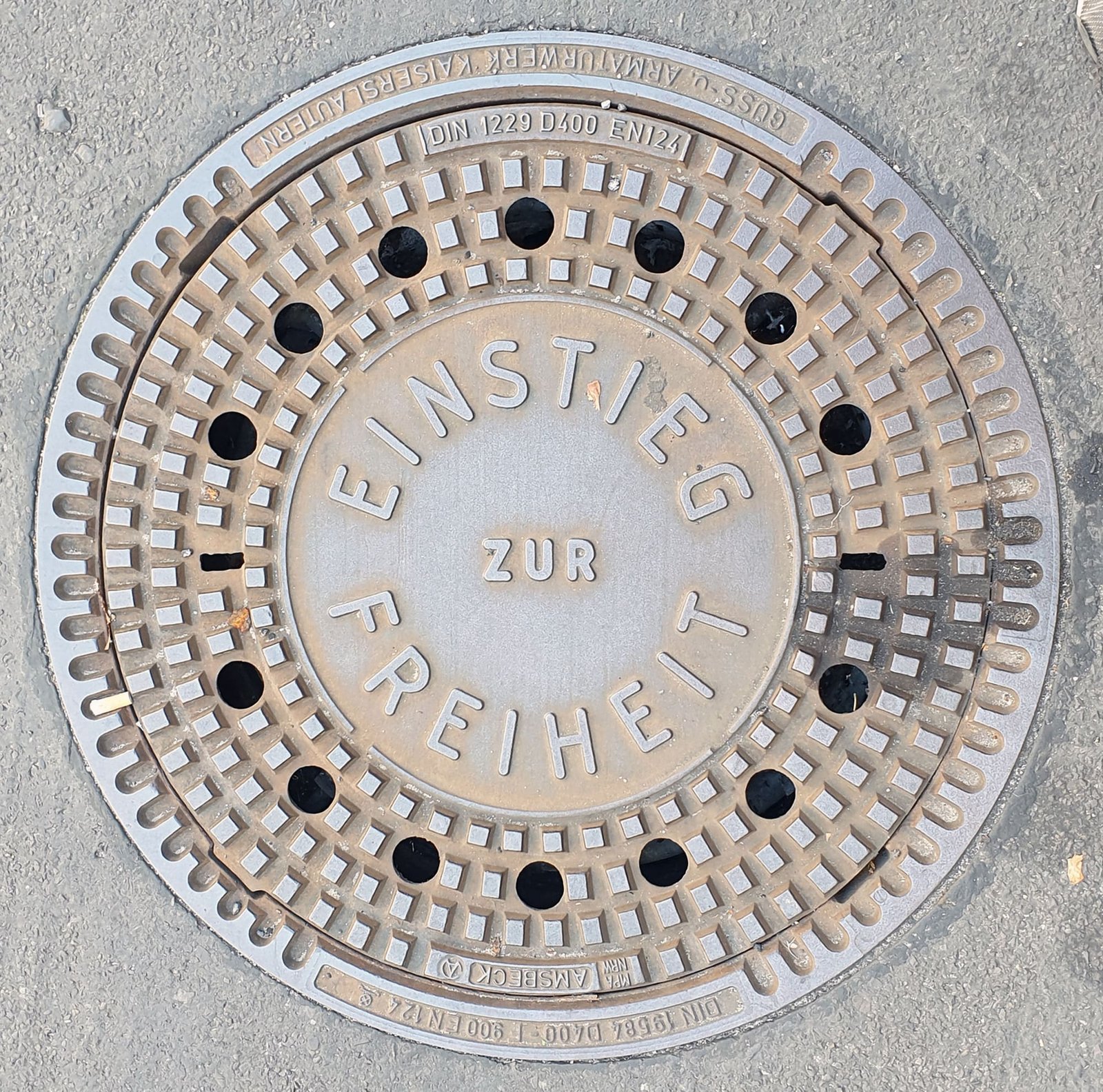
- Neue Grünstraße 16, Mitte: the "Einstieg zur Freiheit" manhole cover, laid in 2015 over the Girrmann group's sewer entrance (record).
- Bernauer Straße 97: the plaque for Wolfgang Fuchs and his two tunnels, unveiled on 2 October 2011.11
- Berlin Wall Memorial, Bernauer Straße: steel plates in the grass trace the route of Tunnel 57.
- Heidelberger Straße 35, Neukölln: the 2012 plaque for Heinz Jercha.6
- Heidelberger Straße 81, Treptow: the ground plaque for the Pfingsttunnel (record).
- Zimmerstraße 54, Mitte: the 2018 plaque for Müller's tunnel and Reinhold Huhn.13
- Bergstraße, Staaken: the memorial cross for Dieter Wohlfahrt (record).
Questions and answers
- Who were the Berlin Wall escape helpers (Fluchthelfer)?
- People in the West who organised escapes from East Berlin and the GDR. Many were former refugees fetching their own families; in 1961 and 1962 many came from West Berlin's universities, such as the Free University students of the Girrmann group. The GDR called them 'human traffickers'.
- Were Berlin Wall escape helpers paid?
- Some were and some were not. By 1962/63 people wanting to escape were often charged 3,000 to 5,000 D-Mark, and in 1978 Der Spiegel reported that commercial firms on the transit routes charged 10,000 to 45,000 marks per person. In 1977 West Germany's Federal Court of Justice ruled that paid escape-help contracts were not in themselves immoral.
- What happened to escape helpers who were caught?
- The GDR tried them for aiding 'flight from the Republic' and later for 'anti-state trafficking in human beings' under § 105 of its criminal code. Sentences ran from a few years to life: Harry Seidel was sentenced to life in 1962 and Hartmut Richter to the 15-year maximum in 1975. Many were later bought free by the West German government.
- Did the Stasi infiltrate escape-helper groups?
- Yes. The Stasi planted informers in helper groups from the start, and from 1975 a dedicated unit, the ZKG, was tasked with breaking up escape organisations. The courier Siegfried Uhse, a Stasi informer inside the student Girrmann group, betrayed the Kiefholzstraße tunnel in 1962, and more than 70 people were arrested.
Sources
- Flucht, Fluchthilfe, WiderstandChronik der Mauer
- Kleine Chronik der FU Berlin: Studentische FluchthelferFreie Universität Berlin
- Zentrale Koordinierungsgruppe Flucht/Übersiedlung (ZKG): holdings descriptionBundesarchiv (Stasi-Unterlagen-Archiv)
- Tunnel Kiefholzstraße 388TF-Mapping (Humboldt-Universität zu Berlin)
- Jercha, HeinzChronik der Mauer
- Gedenktafel für Heinz JerchaMuseen Treptow-Köpenick / berlin.de
- Pfingsttunnel 1962Museen Treptow-Köpenick / berlin.de
- Fluchthilfe durch die Kanalisation in den Westen und an die Stasi verraten, 6. Oktober 1961Chronik der Mauer
- Wohlfahrt, DieterChronik der Mauer
- Flucht durch den 'Tunnel 57', 3./4. Oktober 1964Chronik der Mauer
- Fluchttunnel Bernauer Straße (plaque)Gedenktafeln in Berlin
- Reinhold HuhnChronik der Mauer
- Fluchttunnel Zimmerstraße (plaque)Gedenktafeln in Berlin
- The Cold War 'Mole' Who Smuggled 1,000 East Germans To The WestNPR
- Hartmut Richter: 33 Menschen zur Flucht verholfen, dann inhaftiert (4. März 1975)Chronik der Mauer
- BGH, 29.09.1977, III ZR 164/75 (BGHZ 69, 295)dejure.org
- Fluchthelferverträgejuramagazin.de
- »Altes Schwein, wir knallen dich ab« (Der Spiegel 9/1978)Der Spiegel
- Zeitzeuge Burkhart Veigel: EntführungsversucheZeitzeugen-Portal (Haus der Geschichte)
- MfS-Lexikon: Zentrale Koordinierungsgruppe (ZKG)Bundesarchiv (Stasi-Unterlagen-Archiv)
Facts taken from an escape record on this site link to that record, which lists its own sources.
Spotted an error, or know more? Email us a correction or addition
Escapes in this article
13 September 1961 – 14 October 1961
'Glockengasse 4711': the sewer route under the Alte Jakobstraße
In the weeks after the Wall went up, student escape helpers led East Berliners through a sewer from Mitte to Kreuzberg. A memorial plaque puts the number at about 500; other research counts about 150.
21 March 1962 – 27 March 1962
Heidelberger Straße Tunnel and the Death of Heinz Jercha
Dozens of East Berliners escaped through a tunnel under Heidelberger Straße until a Stasi informer betrayed it; escape helper Heinz Jercha was shot in an ambush and died after crawling back to the West.
7 August 1962
The Betrayed Kiefholzstraße Tunnel
Several escape-helper groups joined forces on a tunnel to a small house on Kiefholzstraße for a planned mass escape, but a Stasi informer among the couriers betrayed it and dozens of would-be refugees were arrested.
14 November 1962
The Kleinmachnow Tunnel and the Arrest of Harry Seidel
The betrayal of a 70-metre tunnel into Kleinmachnow ended with the capture of the famous escape helper Harry Seidel, who was sentenced to life imprisonment in a show trial.
3 October 1964 – 5 October 1964
Tunnel 57
57 East Berliners crawled through a 145-metre tunnel dug by West Berlin students under Bernauer Straße. The escape ended in a shoot-out in which border guard Egon Schultz was killed; records opened after 1990 showed the fatal shots came from a fellow GDR soldier.
1964 – November 1967
The Cadillac with a dashboard hideout
Escape helper Burkhart Veigel used a Cadillac DeVille with a hiding place behind the dashboard to smuggle refugees out of the GDR for about three years.
4 March 1975
Escape helper Hartmut Richter caught at Drewitz with his sister in the boot
After smuggling 33 people out in the boot of his car, escape helper Hartmut Richter was stopped at the Drewitz crossing with his own sister and her fiancé hidden inside, and sentenced to 15 years.
16 July 1976
Sealed van of the Mierendorff escape organisation stopped at Staaken
An escape helper from near Hamburg picked up a man, his wife and a drugged child on the transit motorway and hid them in a customs-sealed van with a manipulated seal fitting; followed by two Wartburgs, he was stopped at the Staaken crossing and the van was opened.
More articles
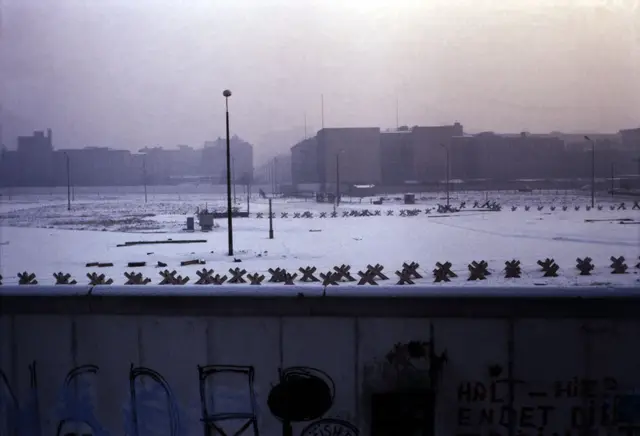
The numbers
How Many People Escaped the Berlin Wall?
The figure of 5,075 comes from a West Berlin police count. Here is where it comes from, how it fell year by year, and what several hundred documented escapes add to it.
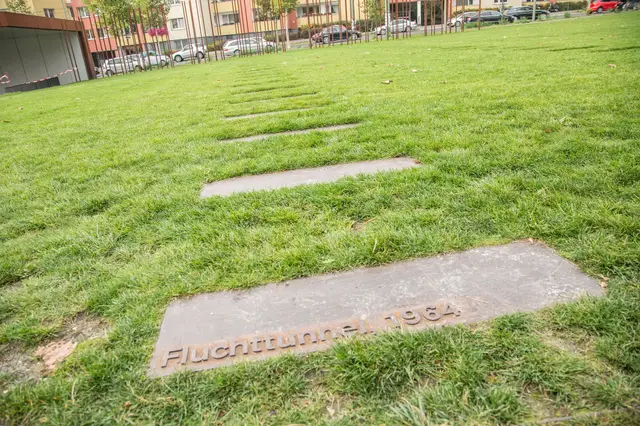
Tunnels
The Tunnels Under the Berlin Wall: Who Dug Them, Who Got Out
Students dug in from the West, families dug out from the East, and the Stasi waited at the far end of many. How the tunnels worked, why most failed, and where you can still see one.
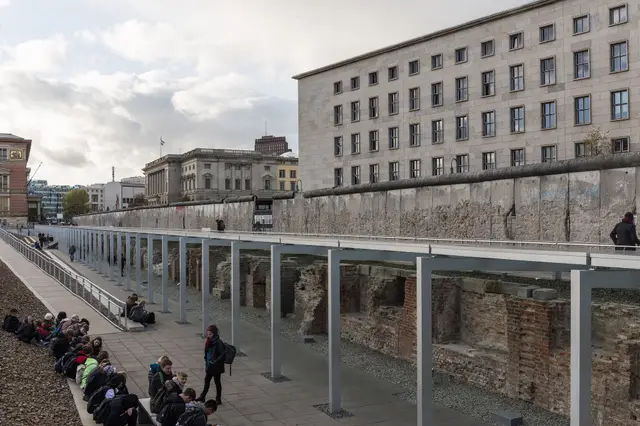
How they did it
The Most Ingenious Berlin Wall Escapes, and How They Worked
A cable from a ministry roof, a train that didn't stop, a bubble car with a person behind the seat. Eleven escapes that were engineered rather than lucky, with the measurements and the places the sources disagree.