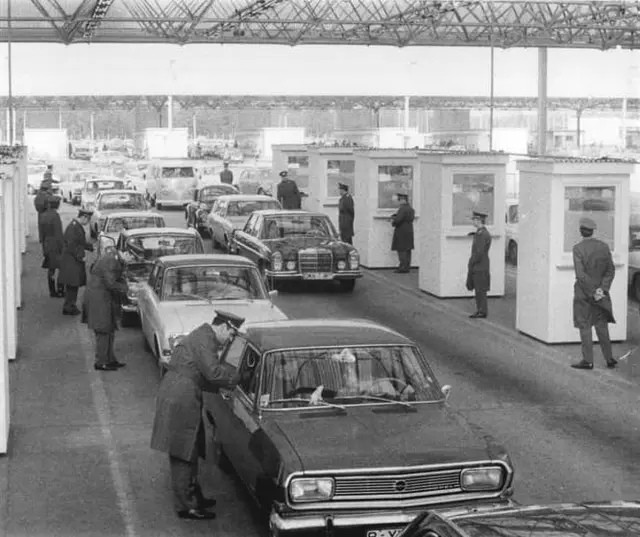
16 July 1976 · Hidden in vehicles · Staaken
Sealed van of the Mierendorff escape organisation stopped at Staaken
An escape helper from near Hamburg picked up a man, his wife and a drugged child on the transit motorway and hid them in a customs-sealed van with a manipulated seal fitting; followed by two Wartburgs, he was stopped at the Staaken crossing and the van was opened.
On the evening of 16 July 1976 Klaus-Dieter Precht, a wholesale merchant from Wedel near Hamburg, was to pick up three East Germans at kilometre 144.2 on the transit route from Lauenburg to Berlin and take them to West Berlin through the Staaken crossing in a customs-sealed Hanomag-Henschel van (registration HH-CX 519). He had been promised 6,000 marks. At 21.30 he pulled off onto the verge at the agreed spot. A man came out of the bushes and fetched his wife and a child who had been given sleeping pills. Using a hex key, Precht removed a prepared metal bracket together with the customs seal, so the van could be opened without breaking the seal. The three climbed into the load space among junk stacked there as cover; it took less than five minutes.
A few kilometres on, two East German Wartburg cars began following him and then drove one ahead and one behind the van. At the Staaken checkpoint GDR border guards waved the Hanomag into a special lane that was closed off behind it. An officer asked whether he had picked anyone up on the way; a customs officer told him to open the door. Precht tore off the seal and the van was surrounded by border soldiers with Kalashnikovs.
On 13 September 1976 the Potsdam district court sentenced Precht to three and a half years for 'hostile trafficking in human beings'. He served 18 months in Rummelsburg prison and was released to the West on 20 January 1978 with about 50 other prisoners bought free by Bonn. According to Der Spiegel it was Kay-Uwe Mierendorff, a former West Berlin car dealer who, the magazine wrote, was regarded as the secret king of the commercial escape business, who had talked Precht into the trip and shown him how to open the sealed van; weeks earlier another of his drivers had been caught with the same door system. Precht said he was ready to testify on oath about this.
Sources
Spotted an error, or know more about this story? Email us a correction or addition
Related escapes
10 April 1976
Refugees in the boot of an embassy car: the Zaire attaché and the ARAMCO network
An administrative attaché of Zaire's embassy in East Berlin used his diplomatic car to drive at least eight East Germans to West Berlin in the boot. The operation ended when his courier was arrested at the Friedrichstraße crossing.
2 October 1977
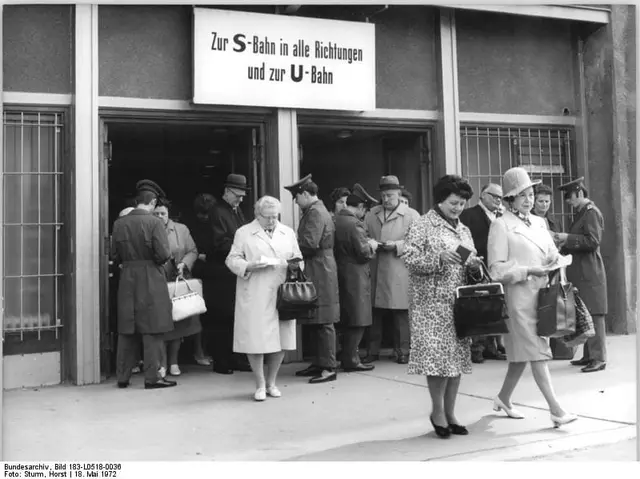
Two young women in a car boot at Staaken
A West Berliner working for an escape-helper group tried to take two women in their early twenties out in his boot through the Staaken crossing – one of them the daughter of an SED factory director, who wanted to marry her Turkish boyfriend in West Berlin.
9 March 1975
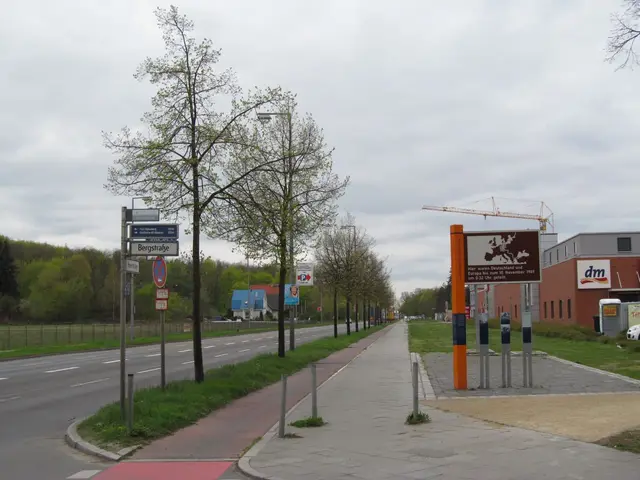
A family of three in the boot of a West Berlin car at Drewitz
Three members of one family lay hidden in the boot of a car with West Berlin plates. At the Drewitz crossing the Stasi found them, arrested them and then made them climb back in so the scene could be photographed.
4 March 1975
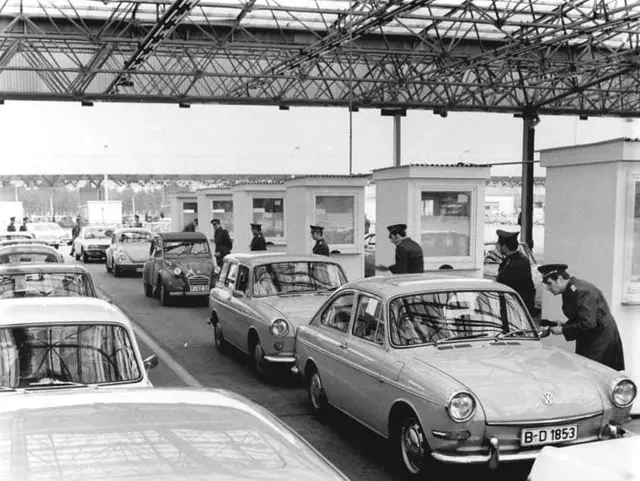
Escape helper Hartmut Richter caught at Drewitz with his sister in the boot
After smuggling 33 people out in the boot of his car, escape helper Hartmut Richter was stopped at the Drewitz crossing with his own sister and her fiancé hidden inside, and sentenced to 15 years.