29 March 1974 · False papers and disguises · Friedrichstraße station
Czesław Kukuczka: an exit visa, then a shot in the back at Friedrichstraße
A Polish fireman threatened to blow up the Polish embassy in East Berlin unless he was let through to West Berlin. He was given an exit visa and taken to the Friedrichstraße crossing by a Stasi officer, then shot in the back during the clearance procedure and bled to death in the Stasi prison hospital.
Czesław Jan Kukuczka, born on 23 July 1935 in Kamienica (Limanowa county), had served with the fire brigade in Jaworzno, Limanowa and Bielsko-Biała. He was married with three children. He did not turn up for work on 3 March 1974. According to the Chronik der Mauer, he told Polish embassy staff that he wanted to emigrate to the United States, where he had two aunts.
At 12.30 on 29 March 1974 he came to the Polish embassy on Unter den Linden and demanded to be let through the Friedrichstraße station crossing to West Berlin by 3 pm. He said he would otherwise blow up the embassy with a bomb he had with him. A Polish Interior Ministry officer telephoned the Stasi, and Deputy Minister Bruno Beater decided that Kukuczka was to be 'rendered harmless' outside the embassy if possible. He was issued a provisional passport with an exit visa for West Berlin.
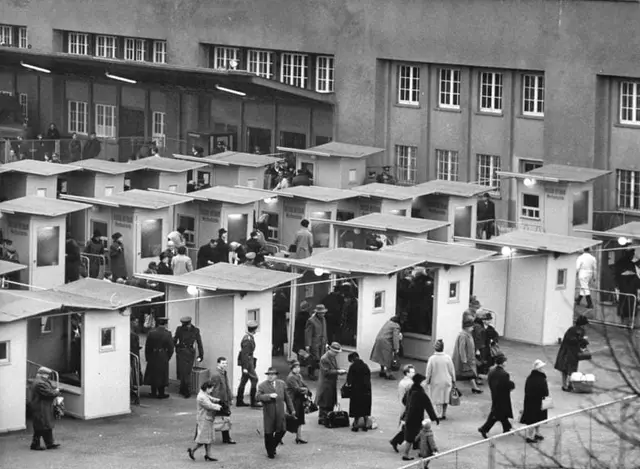
At about 2.40 pm he left the embassy in the car of Stasi Lieutenant Colonel Hans Sabath, who accompanied him the short distance to the Friedrichstraße crossing and to the departure pavilion known as the 'Tränenpalast'. The report of Stasi Colonel Willi Damm records that at 3 pm, during the clearance procedure, the deployed forces 'rendered him harmless'. Schoolchildren from Bad Hersfeld who were returning to West Berlin told Bild that a man who had just passed through the checkpoint was shot in the back from about two metres by a civilian in a dark coat and dark glasses. Prosecutors later said he had passed two of the three control points.
He was not taken to the nearest hospital but to the Stasi prison hospital in Hohenschönhausen, where he bled to death on the operating table at 6.32 pm. The briefcase held no explosives. A weapon appears in Stasi paperwork for the first time on 4 April 1974, six days later, and the Chronik der Mauer concludes that all evidence suggests the Stasi fabricated the weapon story after his death. His widow received an urn on 24 May 1974; the family had not been told what had happened.
Historians Hans-Hermann Hertle and Filip Gańczak reconstructed the case from German and Polish files. In March 2024 a former Stasi officer, Martin Naumann, then 80, went on trial in Berlin for his murder and denied the charge. According to Porta Polonica, the Berlin regional court convicted him of murder on 14 October 2024 and sentenced him to ten years in prison.
Sources
Spotted an error, or know more about this story? Email us a correction or addition
Related escapes
6 October 1961
Sewer escape helper Carl-August von Halle walks into a Stasi trap
A West Berlin architecture student who had helped East Germans escape through the sewers was lured into a trap by a Stasi informer and arrested at Friedrichstraße station.
21 December 1961
Joachim Neumann's Swiss passport
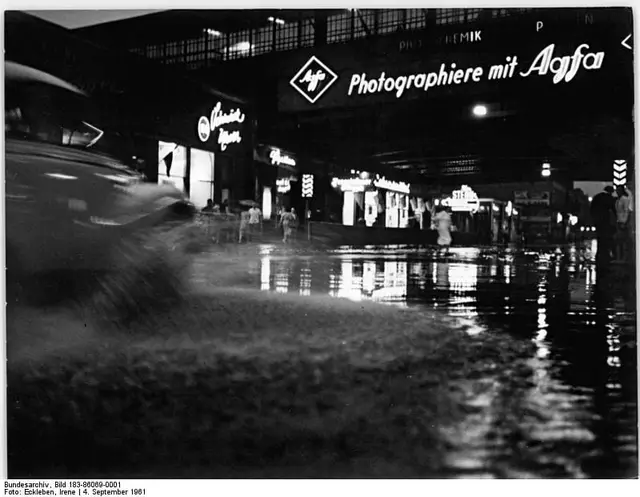
Engineering student Joachim Neumann dyed his hair, filled his pockets with Swiss odds and ends and played an aloof Swiss tourist to pass the Friedrichstraße checkpoint on a Swiss passport supplied through West Berlin student escape helpers.
16 May 1964
The borrowed identity card: a wife crosses on a stranger's papers
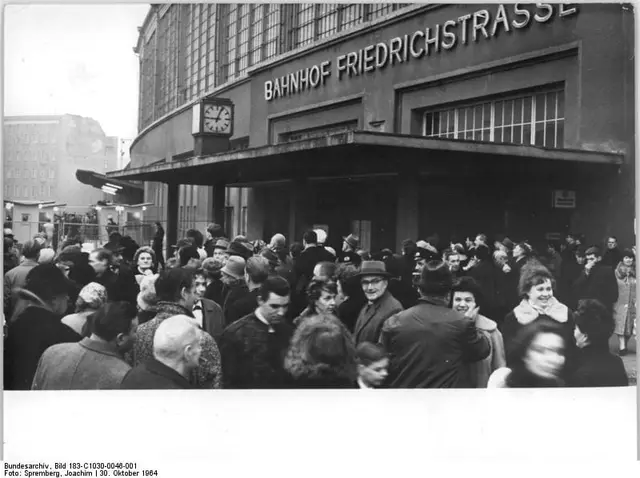
A man who had fled the GDR in 1963 took a West German apprentice from Holstein on a trip to East Berlin and kept her papers 'for safety'. Someone left through Friedrichstraße on them – according to the Stasi, his wife, who resembled her.
19 May 1964
A 'lost' Danish passport at Friedrichstraße
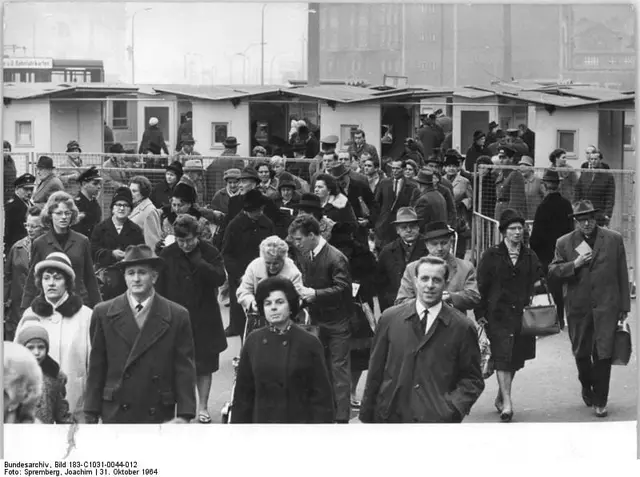
Fifteen minutes after someone had left East Berlin on her passport, a Danish woman turned up at the Friedrichstraße crossing to report that her papers had gone missing.